Steps for Successful Fermentation:
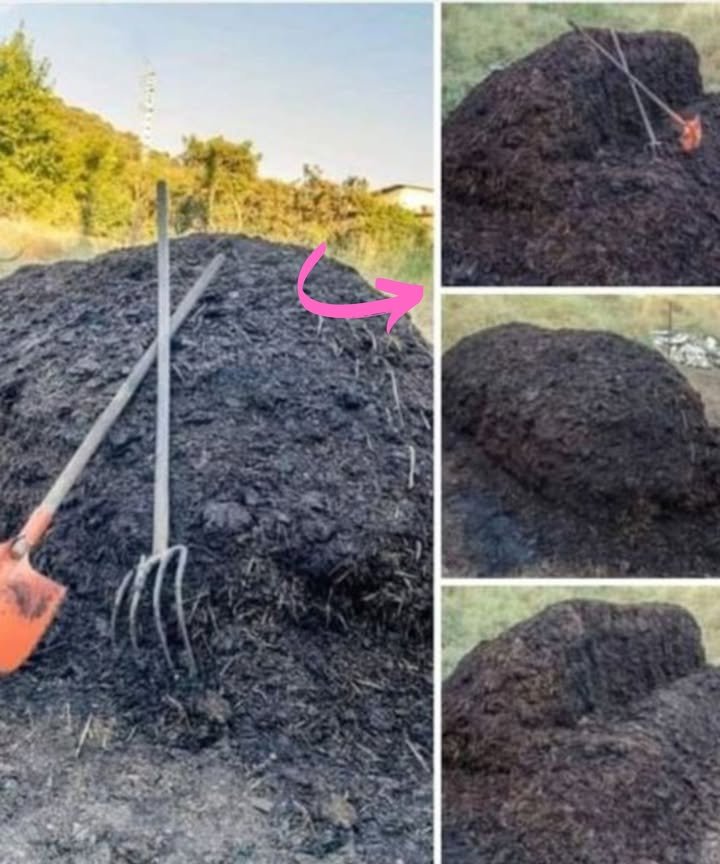
- Gather the Manure: Collect the manure and form it into piles.
- Pile and Water: Stack the manure into a heap and lightly water it.
- Cover the Pile: Securely cover the pile with a thick plastic sheet to prevent air infiltration.
- Let it Ferment: Allow the pile to ferment for two to three months.
- Turn Regularly: Turn the pile two to three times during this period to ensure even fermentation.
- Note for Rapid Fermentation:
- Small Piles and Sun Exposure: If space is limited, form small piles and leave them in the sun for 50 to 60 days. Turn them regularly to ensure proper fermentation.
- Drawbacks of Using Unfermented Manure:
- Increased Use of Pesticides:
- Resistance to Nematodes: Increased use of pesticides to combat nematode resistance.
- Herbicides and Increased Costs:
- More Herbicides: Greater need for herbicides, leading to higher costs due to increased chemical usage.
- Increased Labor:
- Weed Removal: More labor required to remove weeds, increasing production costs.
- Higher Need for Pesticides and Chemical Fertilizers:
- Increased Needs: Greater necessity for pesticides and chemical fertilizers, raising production costs and environmental impact.
- Using properly fermented manure is essential to maximize agricultural benefits while minimizing costs and environmental impacts.