Vertical Gardening:
- Grow vertically to save space.
- Try tomatoes, beans, and peas on trellises.
- Build sturdy trellises for support.
Raised Bed Gardens:
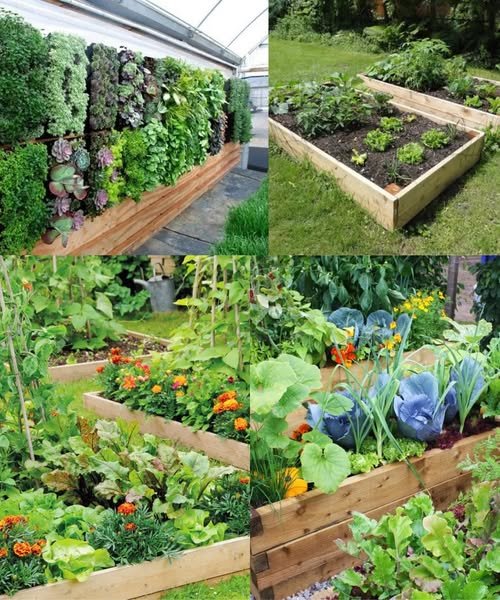
- Benefits include better soil control and drainage.
- Prepare soil well and maintain it.
- Use planting strategies for higher yields.
Companion Planting:
- Pair plants that benefit each other.
- For example, plant tomatoes with basil to deter pests.
- Enhances growth and pest control naturally.
Succession Planting:
- Plant crops in succession for continuous harvest.
- Example schedules ensure year-round produce.
- Plan for ongoing yields throughout the season.
Intensive Planting:
- Use square foot gardening for efficiency.
- Place plants close but not crowded.
- Maximize space without overcrowding.
Container Gardening:
- Ideal for limited spaces like balconies.
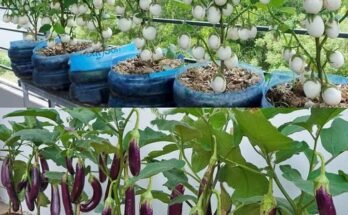
- Grow herbs, tomatoes, and peppers in pots.
- Choose containers and soil mix wisely.
Interplanting and Interrow Planting:
- Mix different plants in the same area.
- Plant compatible vegetables together.
- Optimize sunlight and airflow for healthier plants.
Using Vertical Space Under Trellises:
- Utilize shade under trellises for plants.
- Grow lettuce or spinach where it’s cooler.
- Keep soil moist and fertile for best growth.
Season Extension Techniques:
- Use row covers and cold frames to extend seasons.
- Grow cold-hardy crops like kale into winter.
- Select crops that thrive in extended periods.
Companion Flowers and Herbs:
- Include flowers to attract pollinators.
- Herbs like rosemary deter pests naturally.
- Enhance vegetable flavors with complementary herbs.
Utilizing Microclimates:
- Identify unique climate zones in your garden.
- Grow heat-loving plants in sunny spots.
- Protect sensitive plants from harsh conditions.
Vertical Herb Gardens:
- Grow herbs upwards in vertical gardens.
- Saves space and keeps herbs accessible.
- Design and maintain for efficient growth.