Soil Preparation
- ucchini thrives in rich, well-draining soil with a pH of 6.0-7.5. Use a high-quality potting mix with added compost and perlite for aeration. You can make your own mix using:
- 50% potting soil
- 30% compost
- 20% perlite or sand for drainage
Sowing the Seeds
- Plant 2-3 seeds per container at a depth of 1 inch (2.5 cm).
- Keep the soil moist but not soggy.
- Once the seedlings emerge (in about a week), thin them to one strong seedling per container.
Watering and Fertilization
Watering: Zucchini plants require regular watering, especially in hot weather. Water deeply 2-3 times per week, ensuring the soil remains moist but not waterlogged.
Fertilization: Apply a balanced fertilizer (10-10-10) every 2 weeks or use organic options like compost tea or fish emulsion.
Providing Support for Growth
Although zucchini plants naturally spread, terrace gardeners can train them vertically using trellises or stakes. This method:
Saves space.
- Improves air circulation, reducing fungal diseases.
- Makes harvesting easier.
- Use soft ties to support the main stem as it grows upward.
Pest and Disease Control
- Even in a terrace setting, zucchinis can attract pests like aphids, squash bugs, and powdery mildew. Here’s how to keep them at bay:
- Aphids: Spray leaves with a mix of neem oil and water.
- Squash bugs: Handpick them and remove their eggs from leaves.
- Powdery mildew: Prevent by watering at the base and ensuring good air circulation.
Harvesting Your Zucchini
- Zucchini is ready for harvest 45-60 days after planting.
- Pick when they are 6-8 inches (15-20 cm) long for the best texture and flavor.
- Use a sharp knife or scissors to cut the fruit off the plant to avoid damaging the stem.
- Regular harvesting encourages continuous fruit production.
Additional Tips for Success
- Pollination: Since zucchinis rely on pollinators, you may need to hand-pollinate if growing in an enclosed space.
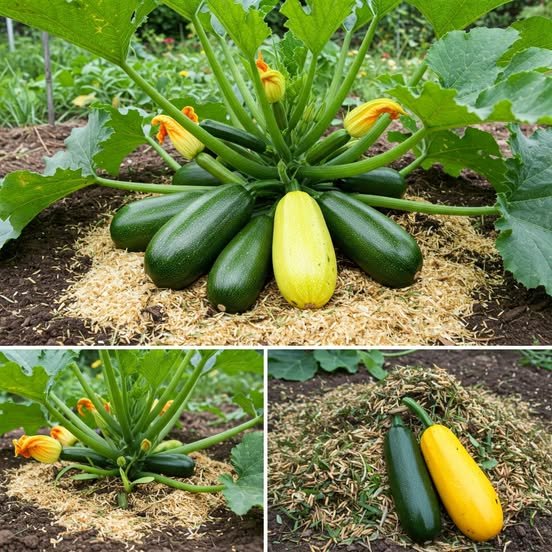
- Mulching: Helps retain moisture and prevents soil-borne diseases.
- Rotation: Avoid planting zucchini in the same container as previous squash crops to prevent disease buildup.
- Companion planting: Grow basil, marigolds, or nasturtiums nearby to deter pests.
Conclusion
Growing zucchini on a terrace is an easy and rewarding experience, even for beginners. With the right container, soil, and care, you can enjoy a continuous supply of zucchinis throughout the season. Not only does this method save space, but it also allows you to harvest fresh, organic vegetables right at home. So why not give it a try and experience the miracle of a bountiful zucchini harvest on your terrace? Happy gardening!