Benefits of Growing Cherokee Rose
- Aesthetic Appeal: Beautiful, fragrant blooms.
- Historical Significance: Symbolic flower of Georgia with deep historical roots.
- Low Maintenance: Hardy and resistant to many common pests and diseases.
Materials Needed
- Cherokee Rose seeds or seedlings
- Well-draining soil
- Compost or organic matter
- Garden tools (shovel, hoe, watering can)
- Mulch
Step-by-Step Guide
Selecting the Right Location
- Sunlight: Full sun to partial shade.
- Soil: Well-draining, sandy or loamy soils.
- Space: Provide ample space for growth.
Preparing the Soil
- Test the Soil: Aim for a pH of 5.5-7.0.
- Amend the Soil: Add compost or organic matter for enrichment.
Planting the Seeds or Seedlings
For Seeds:
- Stratification: Refrigerate seeds in a moist paper towel for 4-6 weeks.
- Planting: Sow seeds 1/4 inch deep after the last frost.
For Seedlings:
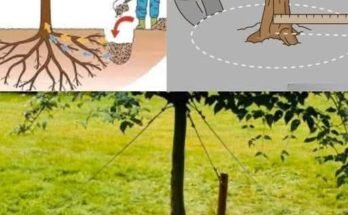
- Dig a Hole: Slightly larger than the root ball.
- Planting: Place seedling, level the root ball with the soil surface, backfill, and press down gently.
Watering
- Initial Watering: Thoroughly water after planting.
- Regular Watering: Keep soil consistently moist, water deeply once or twice a week.
Mulching
- Apply Mulch: Spread around the base to retain moisture and suppress weeds.
- Avoid Stem Contact: Keep mulch a few inches away from the stem to prevent rot.
Fertilizing
- Initial Feeding: Use a balanced, slow-release fertilizer after planting.
- Ongoing Feeding: Fertilize with rose-specific fertilizer every 4-6 weeks during the growing season.
Pruning
- Timing: Late winter or early spring before new growth.
- Method: Remove dead or diseased wood, thin overcrowded branches.
Pests and Diseases
- Common Pests: Monitor for aphids, spider mites, and Japanese beetles. Use insecticidal soap or neem oil as needed.
- Disease Prevention: Ensure good air circulation, avoid overhead watering.