Why Choose Baking Soda?
- Natural and Non-Toxic: Baking soda (sodium bicarbonate) is safe for plants, pets, and the environment, unlike synthetic chemicals.
- Cost-Effective: It’s affordable and easily accessible, making it ideal for budget-conscious gardeners.
- Versatile Uses: Baking soda serves multiple purposes in the garden, from controlling pests to amending soil pH.
- How to Use Baking Soda in Your Garden
Control Powdery Mildew:
- Mix 1 tablespoon of baking soda with 1 quart of water and a few drops of liquid soap.
- Spray affected plants weekly, especially in humid conditions.
Manage Fungal Diseases:
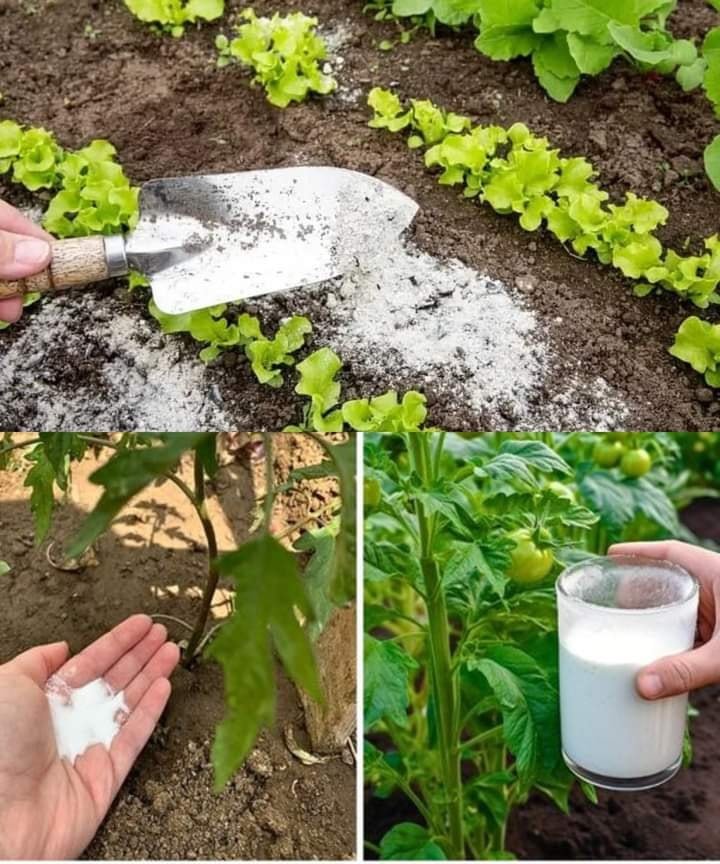
- Prevent damping-off in seedlings by lightly sprinkling baking soda on the soil surface.
- Apply directly to plants with fungal infections like black spot on roses.
Natural Pesticide:
- Deter aphids and spider mites by spraying plants with a solution of 1 teaspoon baking soda, 1 tablespoon vegetable oil, and a few drops of liquid soap mixed in 1 quart of water.
- Reapply weekly or after rainfall.
Boost Tomato Plants:
Sprinkle a small amount of baking soda around tomato plants to help reduce soil acidity and prevent blossom end rot.
Weed Control:
Apply baking soda to driveways and walkways to naturally deter weed growth.
Soil Amendment:
Use sparingly to raise pH levels in acidic soils, benefiting plants that prefer neutral to alkaline conditions.
Tips for Using Baking Soda Safely and Effectively
- Dilute Properly: Always dilute baking soda in water or mix as directed to avoid harming plants.
- Test on a Small Area: Before widespread use, test solutions on a small part of the plant to ensure compatibility.
- Monitor Effects: Observe plant reactions post-application and adjust usage accordingly.