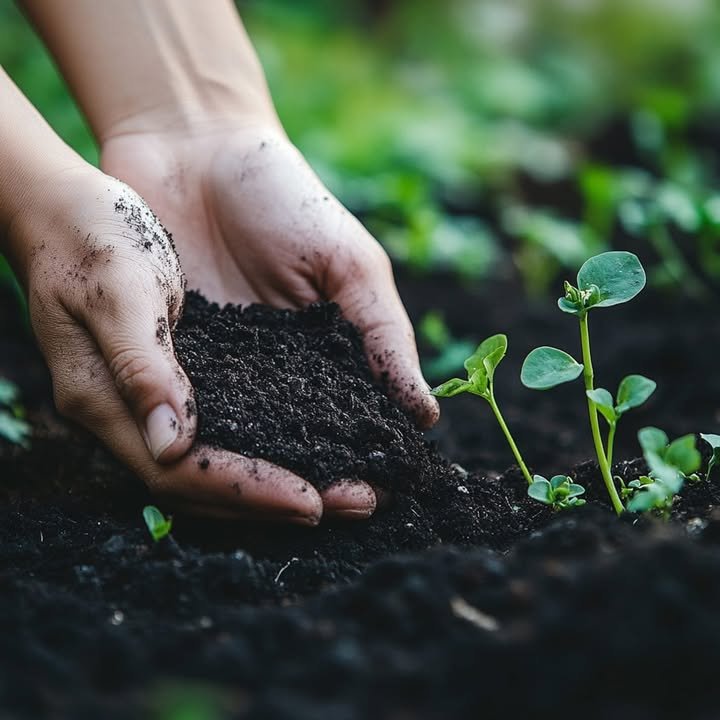
- Nutrient-Rich Soil: Compost adds essential nutrients to the soil, including nitrogen, phosphorus, and potassium, which are crucial for plant growth. It also provides secondary nutrients like calcium and magnesium.
- Improved Soil Structure: Compost improves soil texture by increasing its ability to retain water and nutrients. This leads to better soil aeration and drainage, which helps plant roots access water and oxygen more effectively.
- Enhanced Microbial Activity: Compost encourages the growth of beneficial microorganisms in the soil. These microbes help decompose organic matter, fix nitrogen, and suppress soil-borne diseases, all of which contribute to healthier plants.
- Increased Moisture Retention: Compost improves the soil’s ability to hold water, reducing the frequency of watering needed. This is particularly beneficial in drought conditions or for plants that require consistent moisture.
- pH Balance: Compost helps to buffer soil pH, making it more stable. This can prevent soil from becoming too acidic or too alkaline, creating a more favorable environment for plants.
- Weed Suppression: A layer of compost on the soil surface can help suppress weed growth by blocking light and preventing weed seeds from germinating.
- Reduction of Soil Erosion: Compost helps to bind soil particles together, reducing erosion and runoff. This is especially important for preventing soil loss on slopes or in areas prone to erosion.
- Organic Matter: Compost adds organic matter to the soil, which is crucial for maintaining soil fertility and promoting a healthy ecosystem. Organic matter improves soil structure and supports a diverse community of soil organisms.
- Environmental Benefits: By composting, you reduce the amount of organic waste sent to landfills, which in turn reduces methane emissions. Composting also lessens the need for synthetic fertilizers, which can have negative environmental impacts.
- Cost Savings: Using compost can reduce the need for commercial fertilizers and soil amendments, saving money and making your gardening practices more sustainable.
Overall, composting is a great way to enrich your soil naturally and create a healthier environment for your plants.