Planting potatoes in the fall may seem unusual, but it’s a clever way to get a head start on your garden. With cooler soil and less pest pressure, your future harvest could be both healthy and hearty!
Pick the Right Potatoes
- Use small, green, or sprouting potatoes from your summer stash or store-bought ones.
- Let them sit in a bright, warm spot until they start turning green—this protects them from pests.
Leave Them Whole
- Don’t cut your seed potatoes. Keeping them whole helps prevent rot and deters voles in chilly soil.
- Unlike in spring, fall-planted potatoes need that extra protection.
Check the Soil Temperature
- Only plant if the soil stays below 48°F (9°C) at 8 inches deep through winter.
- This ensures they stay dormant and don’t sprout too early.
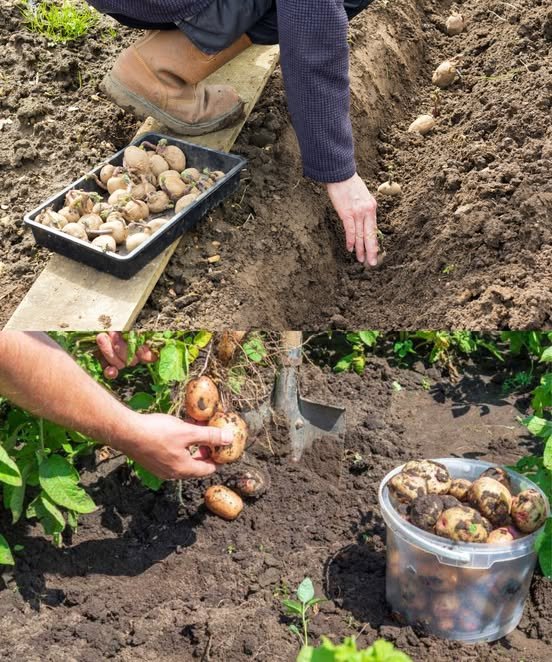
Plant in Trenches
- Dig shallow trenches and space the whole tubers about 10–12 inches apart.
- Cover lightly with soil and get ready for the next step!
Mulch Generously
- Use autumn leaves as a natural blanket.
- They keep the soil cool, prevent weeds, and protect your crop from rain compaction.
Watch for Volunteers
- If you’ve seen potatoes sprout on their own in spring, that’s a good sign your fall planting will succeed.
Mother Nature knows best!
- With just a bit of planning and some cozy mulch, you’ll be setting your spuds up for success. Let the earth do its work over winter—your garden will thank you next summer!